EBOOK
About
The health care system in Ontario is currently seeing one of its most difficult and challenging chapters. Hallway medicine is still ongoing. When it comes to senior care,
space is limited and so is professional capacity. Decisions are rushed, communication messy, often non-existent and the people affected
most are seniors and their families.
Why this matters? This kind of disorganization leaves families vulnerable and without a voice.
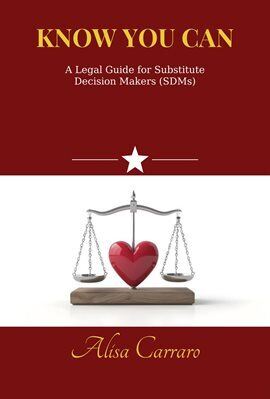
This book offers real experience, legal insight, and the principles of Substitute Decision
Making (SDM). Inside, you will find a clear, practical framework for restoring dignity, agency, and stability during crisis. It is written for families, caregivers, advocates, and
professionals who need a reliable method to make legal and moral decisions with the person you love, not for them.
Readers will learn how to:
• Understand the core principles of SDM and why they matter
• Build a decision-making environment that protects autonomy
• Identify and prevent system-level failures that harm families
• Communicate effectively with healthcare and legal professionals
• Create structured support plans that reduce conflict and confusion
• Strengthen the senior's voice - even in high-pressure situations
• A Legal Guide for Substitute Decision Makers (SDMs)
This book is not theory. It is a working tool and a blueprint for families and practitioners who want to uphold human rights, reduce mistakes, and steer complex
systems with factual clarity and confidence.