Books, videos, and music - all free from your public library!
LoginSign Up

Footer

Hoopla logo, Go to homepage
  • For Patrons
  • For Libraries (opens in new window)
  • For Vendors (opens in new window)
  • Facebook (opens in new window)
  • X (opens in new window)
  • Instagram (opens in new window)
  • YouTube (opens in new window)
  • TikTok (opens in new window)
  • LinkedIn (opens in new window)

Our Company

  • Our Story
  • Get Hoopla for your Library (opens in new window)
  • Get your content on hoopla (opens in new window)
  • Join our team (opens in new window)
  • Accessibility Statement

Our Content

  • Audiobooks
  • Ebooks
  • Movies
  • Television
  • Comics
  • BingePasses
  • Music
  • The Loop Blog

Help

  • Help Center
  • Submit Feedback
  • Facebook (opens in new window)
  • X (opens in new window)
  • Instagram (opens in new window)
  • YouTube (opens in new window)
  • TikTok (opens in new window)
  • LinkedIn (opens in new window)
  • Download on the App Store (opens in new window)
  • Get it on Google Play (opens in new window)
  • Available at Amazon Appstore (opens in new window)
© 2026 Midwest Tape, LLC. All rights reserved. Privacy Policy | Terms of Use
  • Hoopla logo
  • Browse
  • My Hoopla
  • Log In
  1. Navigate Home
  2. Ebooks
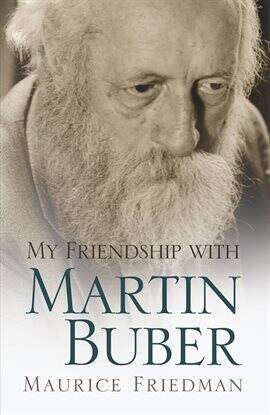
  3. My Friendship With Martin Buber

EBOOK

My Friendship With Martin Buber

Maurice Friedman
(0)
sign up
Pages
198
Year
2013
Language
English
Publisher
Syracuse University Press

About

Martin Buber's philosophy of dialogue sought to express the human experience through the ways in which we encounter and interact with others. His "I-Thou" theory of dialogue and "I-It" theory of monologue expressed ways of understanding one's place in the world in relation to others, objects, and especially God. Buber died in 1965, leaving behind a vast library of writings and ardent students and scholars eager to engage with his ideas. One of these scholars is Maurice Friedman. This text considers the professional relationship Friedman had with Martin Buber and presents it as one based on translating, interpreting, and intellectual curiosity. Beginning in the summer of 1950 and ending with Buber's death, the book takes the reader through Buber's three visits to America, his wife's death, the author's stay in Jerusalem, and the articulation of Buber's culminating philosophy of the interhuman. To trace this chronology, the author draws extensively on his personal collection of letters exchanged with Buber. This is a close and meditative consideration of a deeply intellectual friendship shared between two extraordinary thinkers.

Related Subjects

  • General
  • Philosophy
  • Adult Nonfiction

Artists

Maurice FriedmanAuthor