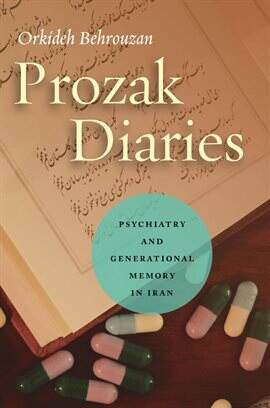
Prozak Diaries is an analysis of emerging psychiatric discourses in post-1980s Iran. It examines a cultural shift in how people interpret and express their feeling states, by adopting the language of psychiatry, and shows how experiences that were once articulated in the richly layered poetics of the Persian language became, by the 1990s, part of a clinical discourse on mood and affect. In asking how psychiatric dialect becomes a language of everyday, the book analyzes cultural forms created by this clinical discourse, exploring individual, professional, and generational cultures of medicalization in various sites from clinical encounters and psychiatric training, to intimate interviews, works of art and media, and Persian blogs. Through the lens of psychiatry, the book reveals how historical experiences are negotiated and how generations are formed. Orkideh Behrouzan traces the historical circumstances that prompted the development of psychiatric discourses in Iran and reveals the ways in which they both reflect and actively shape Iranians' cultural sensibilities. A physician and an anthropologist, she combines clinical and anthropological perspectives in order to investigate the gray areas between memory and everyday life, between individual symptoms and generational remembering. Prozak Diaries offers an exploration of language as experience. In interpreting clinical and generational narratives, Behrouzan writes not only a history of psychiatry in contemporary Iran, but a story of how stories are told.
"A richly textured ethnographic and historical study of how languages and practices of 'sciences of the soul'-including psychology, psychiatry, and psychoanalysis-have traveled to and in Iran, and what contemporary cultural work they perform. Full of brilliant unexpected insights, this is an indispensable text for understanding today's Iran."
Harvard University
"This remarkable book reveals the myriad of ways in which a popularized medical discourse, artistic expression, and psychological metaphor have been intertwined to permit people to speak about how they feel. Only Orkideh Behrouzan, a scholar conversant in these several disciplines and deeply steeped in Persian culture, could trace this interpretive pattern-one that will be of deep interest to thos
Harvard School of Public Health
"Prozak Diaries is a brilliant analysis of psychological remembering and cultural reworking, the domestication of neuropsychiatry and pharmaceutical treatments of depreshen, and the structure of feelings of a generation expressed through blogs, literary productions, and self-reflection."
Professor of Medical Anthropology, Harvard Medical School, and editor of Culture and PTSD: