Books, videos, and music - all free from your public library!
LoginSign Up

Footer

Hoopla logo, Go to homepage
  • For Patrons
  • For Libraries (opens in new window)
  • For Vendors (opens in new window)
  • Facebook (opens in new window)
  • X (opens in new window)
  • Instagram (opens in new window)
  • YouTube (opens in new window)
  • TikTok (opens in new window)
  • LinkedIn (opens in new window)

Our Company

  • Our Story
  • Get Hoopla for your Library (opens in new window)
  • Get your content on hoopla (opens in new window)
  • Join our team (opens in new window)
  • Accessibility Statement

Our Content

  • Audiobooks
  • Ebooks
  • Movies
  • Television
  • Comics
  • BingePasses
  • Music
  • The Loop Blog

Help

  • Help Center
  • Submit Feedback
  • Facebook (opens in new window)
  • X (opens in new window)
  • Instagram (opens in new window)
  • YouTube (opens in new window)
  • TikTok (opens in new window)
  • LinkedIn (opens in new window)
  • Download on the App Store (opens in new window)
  • Get it on Google Play (opens in new window)
  • Available at Amazon Appstore (opens in new window)
© 2026 Midwest Tape, LLC. All rights reserved. Privacy Policy | Terms of Use
  • Hoopla logo
  • Browse
  • My Hoopla
  • Log In
  1. Navigate Home
  2. Ebooks
  3. Transplantation Gothic

EBOOK

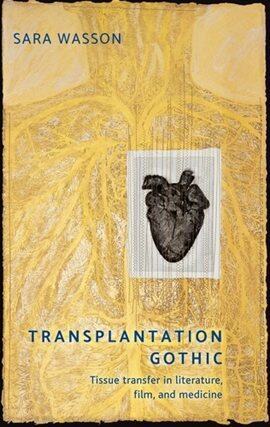
Transplantation Gothic

Tissue transfer in literature, film, and medicine

Sara Wasson
(0)
sign up
Pages
232
Year
2020
Language
English
Publisher
Manchester University Press

About

Transplantation Gothic is a shadow cultural history of transplantation, as mediated through medical writing, science fiction, life writing and visual arts in a Gothic mode, from the nineteenth-century to the present. The works explore the experience of donor/suppliers, recipients and practitioners, and simultaneously express transfer-related suffering and are complicit in its erasure. Examining texts from Europe, North America and India, the book resists exoticising predatorial tissue economies and considers fantasies of harvest as both product and symbol of structural ruination under neoliberal capitalism. In their efforts to articulate bioengineered hybridity, these works are not only anxious but speculative. The book will be of interest to academics and students researching Gothic studies, science fiction, critical medical humanities and cultural studies of transplantation.

Related Subjects

  • 19th Century
  • Modern
  • Literary Criticism
  • Adult Nonfiction
  • General
  • Genres
  • Film
  • Performing Arts

Artists

Sara WassonAuthor